


Advocates urge expanded grad student loan access
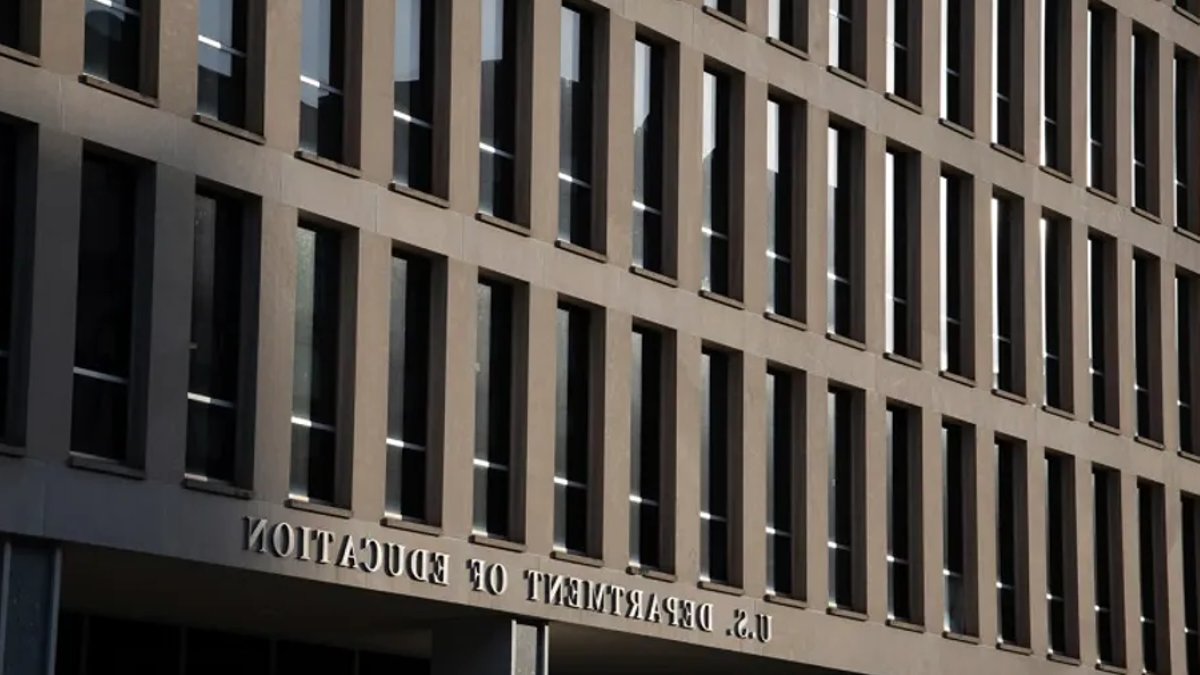
The Trump administration faces growing pressure from social work and education advocates to expand federal graduate loan limits. This follows recent stricter borrowing caps intended to reduce taxpayer costs and student debt.
Advocates push for higher loan access for professional degrees
Under the One Big Beautiful Bill Act (OBBBA), which began July 1, graduate students may borrow up to $20,500 annually through Direct Unsubsidized Loans. Those in qualifying professional degree programs, defined as preparing graduates for licensed professions, remain eligible for up to $50,000 per year.
Groups representing graduate schools of social work and colleges of education now urge the U.S. Department of Education to broaden that definition. These organizations say their programs should qualify for the higher limits, noting the immediate licensure requirements for teaching and clinical social work careers.
Related: SUNY mandates tutoring after 25% freshman fail math
The department has rejected these requests, stating the narrower interpretation matches Congress’ goal of cutting federal spending and preventing excessive debt. Before OBBBA, graduate students could borrow up to the full cost of attendance through Direct Unsubsidized and Grad PLUS loans. Officials argue this system encouraged tuition increases and left many with debt they couldn’t repay.
Supporters of the new limits highlight data showing unlimited borrowing led to six-figure debt for graduate students. The administration calls the changes essential to protect students and taxpayers from financial risk.
Dispute over qualifying professions for higher caps
The debate focuses on which graduate programs meet the law’s criteria for professional degrees. The Department of Education maintains only programs tied to licensed professions like medicine, law, and engineering should qualify for the $50,000 annual cap. Social work and education programs, though requiring licensure, do not fit the current definition.
Related: Kansas drops tuition law for immigrants in settlement
Critics warn the exclusion could make advanced degrees harder to obtain for students entering these fields. For students in these programs, the lower cap might force them to take private loans, cut course loads, or delay graduation.
The administration shows no sign of revisiting the definition, but advocacy groups keep pressing for changes. The Council on Social Work Education, which leads the effort, has not commented.
Meanwhile, the administration advances other OBBBA provisions. A proposal would move the $1.7 trillion federal student loan portfolio from the Department of Education to the Treasury. House Republicans support the plan to further reduce government spending on higher education.


