


SUNY mandates tutoring after 25% freshman fail math
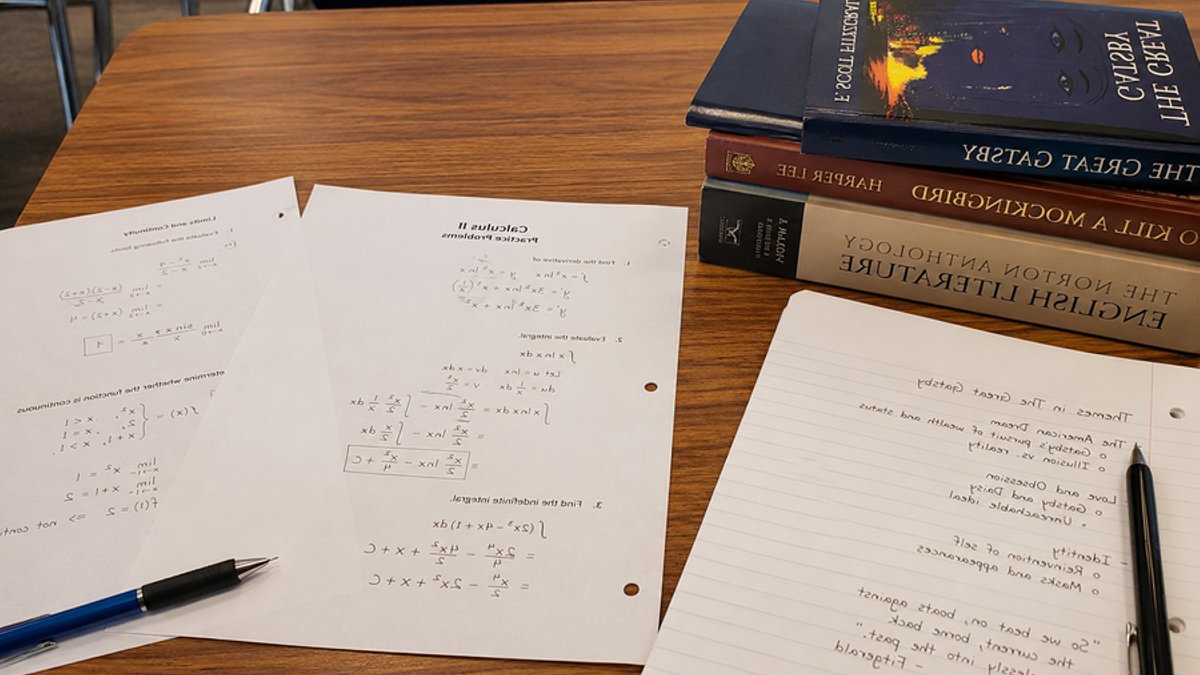
About 25 percent of freshmen in the State University of New York (SUNY) system are failing introductory mathematics courses, while roughly 22 percent are not passing gateway English classes, according to a recent report.
SUNY rolls out mandatory tutoring and smaller classes
In response, several campuses are launching new support programs aimed at boosting success rates in these foundational courses. At the University at Albany, some learners must attend weekly one‑on‑one tutoring sessions that focus on writing skills, and the school is expanding its peer‑mentoring network. Dean JoAnne Malatesta, who oversees undergraduate education, said the effort has already produced noticeable gains among participants.
Hudson Valley Community College in Troy is taking a different approach. It is reshaping its preparatory math offerings by cutting class sizes from 33 to 20 students and adding an extra instructional hour each week, moving from four to five contact hours. Assistant Director of Communications and Marketing Michael Mawson told reporters that the changes rely on evidence‑based strategies designed to give learners more opportunities for engagement, individualized support, and meaningful interactions between students and faculty. He added that the college will track outcomes such as course completion, credit accumulation, retention and eventual graduation rates.
The adjustments form part of SUNY’s broader Academic Momentum Campaign, which seeks to raise retention and completion rates across all undergraduate programs. The 2025 State of the University Policy Agenda notes that more than 118,000 students enroll in over 100 gateway math and English courses each year, and almost one in four fall short of required standards.
Related: Kansas drops tuition law for immigrants in settlement
Funding and campus participation expand
Since February, 23 SUNY campuses have joined the Gateway Course Redesign Initiative, with the University at Albany’s request approved in March. SUNY Brockport, for example, has introduced a “15 to Finish” plan that encourages learners to take at least 15 credits per semester, broadens advising services, and targets outreach for high‑need courses.
Each participating campus may receive up to $20,000 to develop its Academic Momentum action plan, plus an additional $15,000 to support faculty and staff involvement in learning communities. These financial incentives aim to remove barriers that have traditionally hindered progress in entry‑level courses.
By providing resources for tutoring, smaller class sections, and extended instructional time, SUNY hopes to create a more supportive environment for newcomers who often arrive underprepared.
For many learners, the new measures could translate into a more manageable workload and clearer pathways to degree completion. If a freshman who struggled with algebra can now receive individualized help and fewer peers competing for the instructor’s attention, the likelihood of passing the course improves. Likewise, regular writing tutoring may help them articulate ideas more effectively, reducing the risk of failing English requirements.
Related: Easy Steps To Get a Custom Email Domain
Officials anticipate gradual improvement.
Officials anticipate that these reforms will gradually improve metrics such as credit accumulation and retention, which are key indicators of long‑term success. The campaign’s emphasis on data‑driven outcomes suggests that SUNY will continue to adjust strategies based on what works in practice.
Campus Reform reached out to SUNY, the University at Albany, Hudson Valley Community College, SUNY Brockport, the New York State Education Department and other officials for comment. The article will be updated as additional information becomes available.

Kansas drops tuition law for immigrants in settlement


